Seaside Walkable Town Center Living, Explained
June 18, 2026
June 18, 2026
If you have ever wondered why Seaside feels so different from many beach communities, the answer starts with how the town was planned. This is not just a place near the Gulf. It is a place intentionally designed so you can move through daily life on foot, from your front porch to the square to the beach. If you are exploring homes in Seaside, understanding that layout can help you judge whether the lifestyle truly fits the way you want to live. Let’s dive in.
Seaside is a purpose-built community on Scenic Highway 30A in Walton County, and its identity is closely tied to New Urbanism. Seaside Institute materials describe it as the birthplace of New Urbanism, and the town is widely recognized for its compact, human-scale design.
That design shows up in the way the community functions day to day. According to Seaside Institute materials, the town is about a 10-minute walk from end to end, and residences are within about a five-minute walk of the town center. That is a very different experience from a spread-out beach neighborhood where even simple errands often require a car.
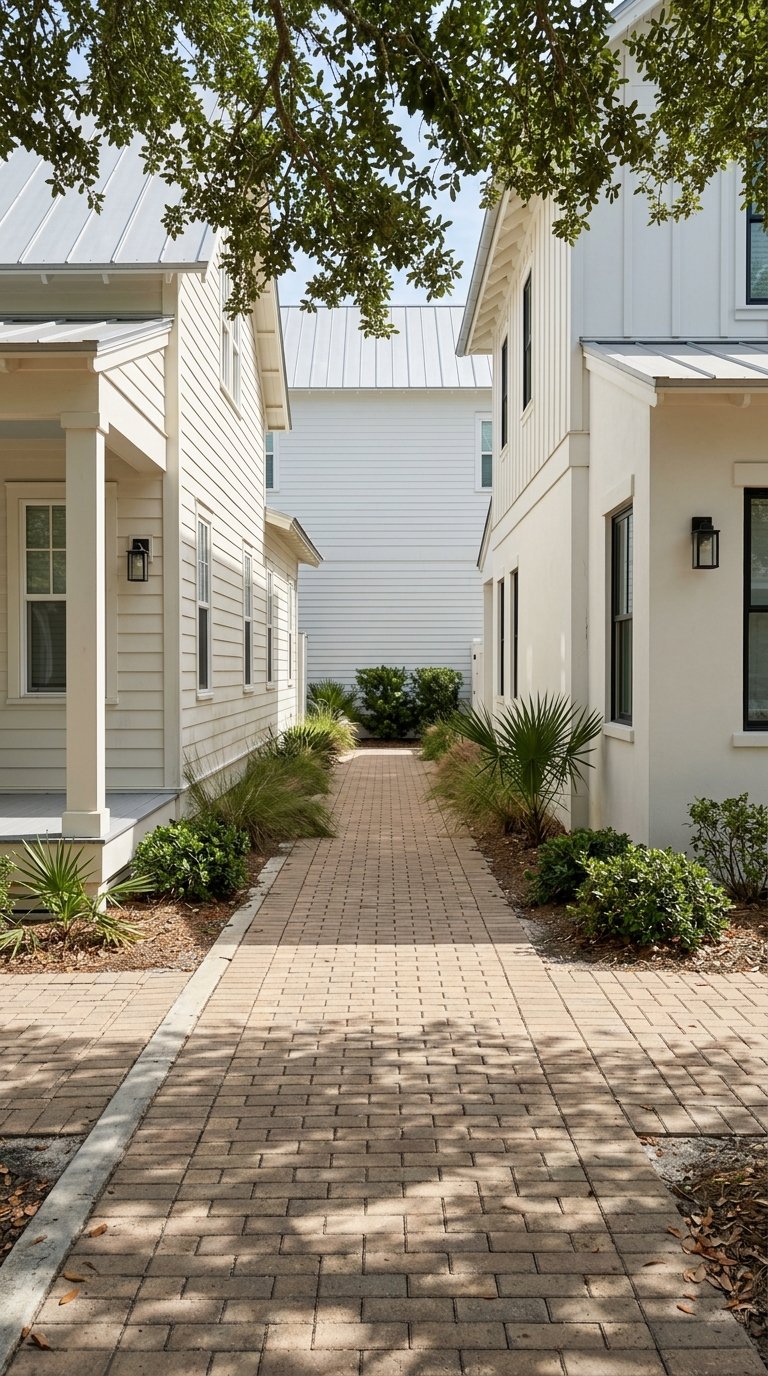
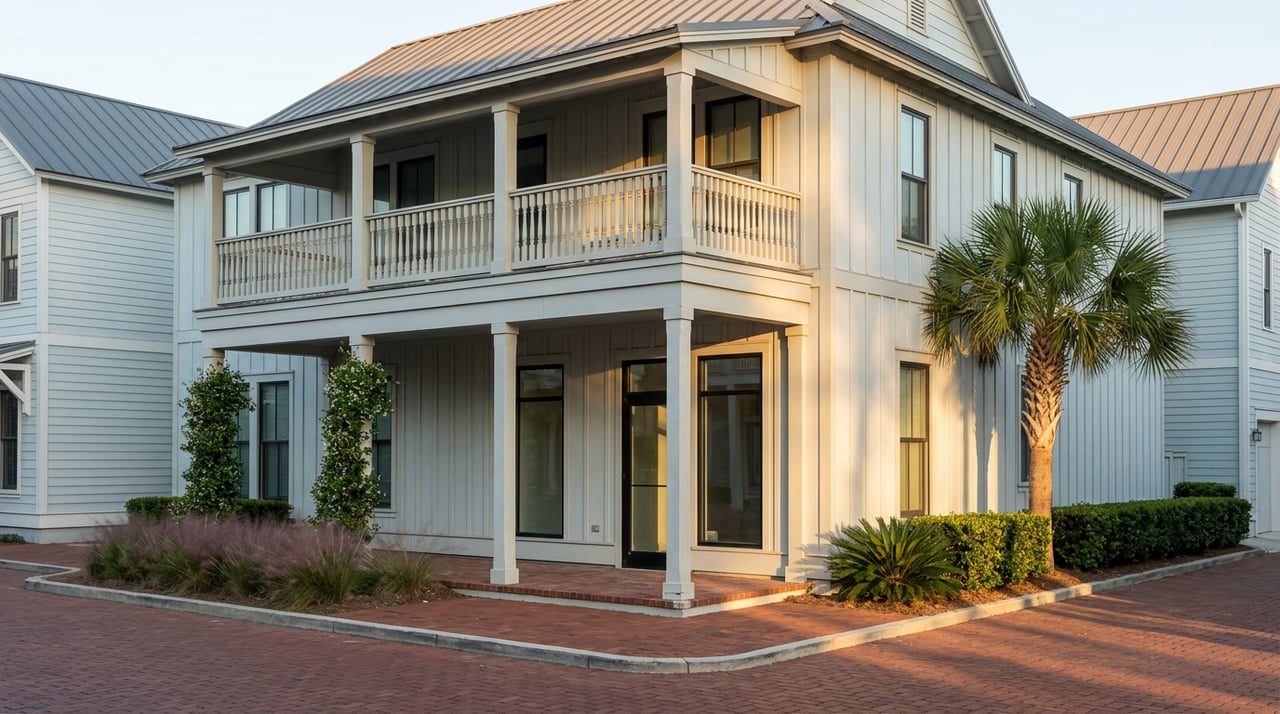
Seaside’s own descriptions also point to the details that support that feeling. Narrow streets, brick-paved roads, and white-sand footpaths connect cottages and public spaces throughout town. Instead of pushing activity out to large roads and parking lots, the layout keeps homes, gathering spaces, shops, and beach access close together.
For you as a buyer, that means walkability in Seaside is not just a marketing phrase. It is built into the town’s structure, scale, and circulation pattern.
At the heart of Seaside is Central Square, which the town describes as pivotal to the original design. This is the social and commercial core, and it plays a major role in how the community feels.
Rather than separating shopping, dining, and community spaces into distant zones, Seaside clusters them near the center. The town says its shopping and dining are within a five-minute walk of all residences and The Court hotel, reinforcing the idea that daily life is meant to happen close to home.
This creates a rhythm that many buyers find appealing. You can step out for coffee, browse a local shop, head toward the beach, and return for dinner or an evening event without planning your day around driving and parking.
Seaside’s commercial core includes a mix of boutique retail and everyday stops. The town’s shopping guide lists businesses such as Sundog Books, Modica Market, Town Square Shoes, Art of Simple, Brothers, and The SEASIDE Style, along with other gift and home-focused shops in and around the square.
Dining is also concentrated in the same walkable area. Seaside identifies places such as Bud & Alley’s, Great Southern Cafe, 87 Central Square, The Daytrader Tiki Bar & Restaurant, and the Airstream Row food stands as part of the town’s dining mix.
What matters most is not just the list of businesses. It is the fact that these destinations sit close together, making it easy to move from one stop to another on foot. That proximity is a big part of what gives Seaside its town-center energy.
Central Square is more than a shopping district. It also serves as one of Seaside’s main public gathering areas.
According to Seaside’s green-space information, the Central Square Amphitheater hosts concerts, movies under the stars, and theater performances. The Lyceum Lawn is another shared space used for town events, school activities, and private reservations.
For homeowners, that means the center of town can feel active beyond business hours. The square functions as a shared living room of sorts, where public life and everyday convenience come together.
One of Seaside’s defining features is how the beach connects to the town itself. The Gulf-front edge is organized through a series of architectural pavilions, which serve as both landmarks and beach access points.
A Seaside news feature notes that there are nine iconic beach pavilions along the shoreline. The Coleman Pavilion is described as the town’s central beach access point for locals and visitors, and it also includes beach services such as chairs and umbrellas.
This layout matters because the beach experience in Seaside is not random or disconnected from the rest of town. It is part of a deliberate sequence, where you move from home to street to square to pavilion to shoreline in a way that feels cohesive.
For buyers, one of the most important practical details is that beach access in Seaside is structured. It is not simply an open-access setup where every property functions the same way.
Seaside’s own FAQ explains that beach access can vary by street and HOA rules. Vacation rental guests receive access to the pavilion tied to their street, while members of the public may access the beach at Coleman Pavilion by booking through Cabana Man.
That means exact location within Seaside matters. If you are considering a purchase, it is worth looking beyond the community name and understanding how a specific address fits into the beach-access pattern.
The simplest way to think about Seaside living is as a short-loop lifestyle. Many of the places that shape your day, including shops, dining, public green space, and the beach, are arranged close enough to support easy movement on foot.
In practical terms, a day might begin with a stop in Central Square, continue with time at the beach, and end with dinner near the square or an event at the Amphitheater. That pattern is one reason Seaside stands out for buyers who want convenience without giving up a strong sense of place.
This can also appeal to households with different age groups or different vacation styles. Seaside’s own materials frame the town as a place where homes, shops, dining, and the beach are all within a short stroll or bike ride, which can simplify how people spend time together.
Even in a compact community, not every address feels the same. A home near Central Square may offer quicker access to dining, shopping, and events, while a home deeper in the residential grid may feel more tucked away.
That difference is not necessarily good or bad. It simply depends on how you want to use the property and what type of daily rhythm you prefer.
Beach access is another reason to pay attention to micro-location. Since pavilion access may be shaped by street location and HOA rules, the exact placement of a home can influence how the lifestyle works in practice.
Because Seaside is such a popular destination, visitor logistics are also part of the picture. The town’s shopping information says street parking and public lots are available near Central Square, with additional parking a short walk from the main district.
Seaside has also announced a managed parking program and complimentary shuttle service for 2026. That detail reinforces an important point: the town is designed to preserve a pedestrian-friendly experience even while handling seasonal demand.
For you as a buyer, that is worth noting because it reflects the balance Seaside tries to maintain. The charm comes from walkability and compact design, but the community also has to manage the realities of a highly visited coastal destination.
If you are drawn to Seaside for its iconic cottages and classic 30A look, it helps to look one level deeper. The appeal is not only visual. It is structural.
Seaside works the way it does because the town was planned around walking, mixed-use gathering spaces, and close connections between homes, shops, and the Gulf. That is what supports the signature lifestyle so many people picture when they think about owning here.
It is also why specific property selection matters. In a community this carefully organized, details like distance to Central Square, the feel of a residential street, and beach access tied to a particular location can shape your ownership experience in meaningful ways.
If you are considering Seaside or comparing it with other 30A communities, working with a local team can help you evaluate not just the home itself, but how the address supports the lifestyle you want. To start that conversation, connect with Enslen Coastal Group.
Stay up to date on the latest real estate trends.
Get In Touch With Our Team To Learn More