Santa Rosa Beach Micro-Markets For Coastal Buyers
June 11, 2026
June 11, 2026
Buying in Santa Rosa Beach can feel simple at first glance, until you realize the same ZIP code can mean a walkable condo near 30A, a bayfront home with a dock, or a wooded property near trails and more yard space. If you are trying to decide where to focus, the broad Santa Rosa Beach label only gets you so far. This guide will help you understand how the area really works, which micro-markets fit different goals, and what current public data may mean for your next move. Let’s dive in.
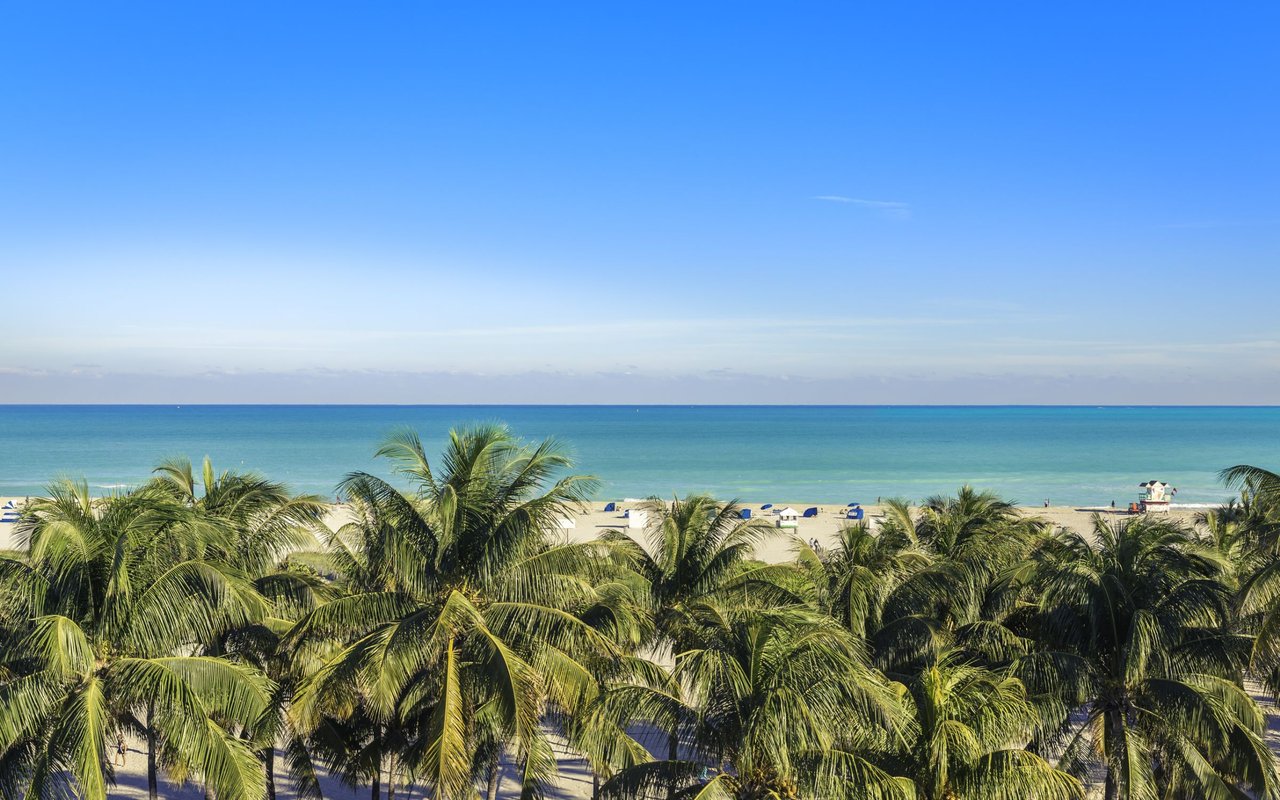
Santa Rosa Beach is better understood as a collection of distinct pockets rather than one uniform market. It stretches from Choctawhatchee Bay to the Gulf, and the broader South Walton area includes 16 beach neighborhoods along 26 miles of shoreline.
That geography matters because your day-to-day experience can change a lot from one area to the next. Some pockets are built around beach access and walkability, while others offer more privacy, trees, bay access, or larger lots.
The 30A corridor also has a different feel from many other coastal markets. Tourism information describes Scenic Highway 30A as low-rise, with limited beachfront building heights and more than 40 percent of the land in conservation, which helps explain why access, setting, and housing type often carry as much weight as square footage.
Before you fall in love with a listing photo, it helps to compare micro-markets by function. In Santa Rosa Beach, most buyers are really weighing four things at once: walkability, housing type, water access, and privacy.
If you want to walk to the beach, dining, and shops, your search will usually center on Gulf-side communities along or near 30A. If you want more yard space, a quieter setting, or a lower entry point, inland and bay-adjacent pockets may offer better value.
Direct water access is another major price driver. Gulf-front, bayfront, and true waterfront properties tend to sit in a thinner, more expensive layer of the market because that kind of access is limited.
Gulf Place stands out on the west side for buyers who want a town-center feel. Official neighborhood descriptions emphasize shopping, dining, art, and Ed Walline beach access, which gives this area one of the more walkable lifestyles in the Santa Rosa Beach area.
The housing mix here appears broad in current public search results. Examples range from a condo around $450,000 to a house near $5 million, suggesting a blend of condos, townhomes, and single-family homes with a wide pricing spread.
For many buyers, Gulf Place works best when convenience matters as much as the home itself. If you want to spend less time driving and more time walking to daily lifestyle spots, this is often one of the first places to study.
Dune Allen tends to appeal to buyers who want a softer, more natural setting. Public neighborhood information highlights trails, coastal dune lakes, rustic cottages, guesthouses, and two regional beach accesses.
Current public listings show a wide range, from about $349,000 to $4.588 million. That suggests entry-level opportunities may exist, but homes closer to the water or on larger lots can move into a much higher bracket.
If your ideal coastal purchase feels less polished-resort and more tucked into the landscape, Dune Allen may deserve a closer look. It often attracts buyers who value access to nature as much as beach proximity.
Blue Mountain Beach offers one of the widest lifestyle and price ranges in the area. It is described as the highest-elevation beach neighborhood in the region and has a more laid-back identity between Santa Rosa Beach and Grayton Beach.
Public search results currently show examples from roughly $625,000 to $10 million. That range points to a market where older or less premium-positioned properties can sit alongside top-tier coastal homes.
For buyers, that can make Blue Mountain Beach especially interesting. You may find very different value propositions within the same pocket, so block-by-block analysis matters here.
Grayton Beach is one of the most distinctive pockets in the area. Official descriptions call it eclectic and note its strong Gulf views, which helps explain why it holds a very specific place in the coastal market.
Current public listings show examples well into the multi-million-dollar range. That lines up with what many buyers already sense here: Grayton is not just about beach access, but about scarcity, identity, and long-term appeal.
If you are drawn to places with a strong sense of character, Grayton Beach may rise quickly on your shortlist. The tradeoff is that availability can be limited and pricing often reflects that scarcity.
These three micro-markets often come up together, but they serve different buyer priorities. All offer a strong 30A lifestyle, yet the housing stock, atmosphere, and pricing can vary in meaningful ways.
Seaside is known for New Urbanist architecture, pastel beach houses, boutiques, galleries, and casual dining. It is one of the most recognizable walkable coastal neighborhoods in the region.
Current public search results show listings from smaller entry points up to homes above $10 million. That means buyers should look beyond the neighborhood name and study the exact property type, location, and use case.
Seagrove offers a classic Gulf Coast feel with a mix of cottages and amenity-oriented properties. Public examples currently range from a townhome around $979,000 to houses priced at $7.95 million and $9.95 million.
That mix can appeal to buyers who want proximity to the beach without limiting themselves to one housing format. Depending on the address, Seagrove can feel more traditional, more residential, or more vacation-oriented.
WaterColor sits toward the upscale side of the market. Public descriptions emphasize a small-town atmosphere with luxury accommodations, and current public listings range from about $1.1 million to $19.9 million.
If you are searching for a polished coastal setting with a luxury profile, WaterColor is often part of the conversation. It tends to attract buyers who want a high-end lifestyle experience as much as a home purchase.
Not every buyer wants to prioritize Gulf walkability. Santa Rosa Beach also reaches north to Choctawhatchee Bay, and South Walton lists more than 50 beach and bay access locations, including Arts Center, Cessna Landing, Point Washington, Thomas Pilcher Park, and Western Lake.
Bay-side homes often trade direct Gulf access for other benefits. Those can include docks, calmer water, sunset views, and more privacy.
Public waterfront search results in Santa Rosa Beach currently show examples from about $619,900 to $4.7 million. Even when a property is not Gulf-front, true waterfront still tends to command a premium.
Point Washington is one of the clearest inland micro-markets for buyers who want a different pace. Point Washington State Forest spans 15,000 acres and more than 27 miles of trails, which shapes the feel of this area.
Current public search results show examples from about $400,000 to $2.62 million. That range includes more suburban-style community homes as well as larger-lot and canal-adjacent properties.
For buyers who care about privacy, wooded surroundings, and a lower entry point than many beachwalk addresses, Point Washington often offers a different kind of value. It is less about being in the center of 30A activity and more about space, setting, and flexibility.
Public market data suggests Santa Rosa Beach is moving in a more negotiable direction than the peak-frenzy period. Current broad metrics show a typical home value of $872,224, down 3.6% year over year, a median sale price of $1,068,333, 1,004 listings for sale, a 69-day median to pending, and a 95.8% median sale-to-list ratio.
Other public sources reinforce the same general trend. Redfin shows a $925,000 median sale price in March 2026 with 308 homes sold and about 111 days on market, while Realtor.com places the median listing price at $1.2 million and describes ZIP code 32459 as a buyer's market.
That does not mean every pocket is soft in the same way. The most sought-after Gulf-front, bayfront, and architecturally distinctive homes can still command strong pricing, but buyers may have more room to negotiate in the broader market than they did a few years ago.
If you are trying to narrow the field, think in terms of lifestyle first and property type second. In Santa Rosa Beach, the best-fit neighborhood is usually the one that supports how you want to use the home.
Here is a simple framework:
This kind of sorting can save you time, especially if you are buying from out of town. It helps you avoid comparing homes that may share a Santa Rosa Beach address but offer very different lifestyles and long-term value profiles.
In any coastal market, address-level due diligence matters. Two homes that look similar online can carry very different flood zone, insurance, and total ownership costs.
For flood hazard information, FEMA's Map Service Center is the official public source for address-based NFIP flood-map searches. Buyers should verify flood-zone details for the exact property they are considering rather than relying on neighborhood-level assumptions.
This step is especially important when you are comparing Gulf-side, bayfront, canal-adjacent, and inland homes. The location premium only tells part of the story. Your true decision should also account for carrying costs, access, and how the property fits your intended use.
If you are comparing Santa Rosa Beach micro-markets from out of state or trying to make a more analytical decision, the goal is not just to find a beautiful property. It is to find the right fit for your lifestyle, risk tolerance, and long-term plans. Enslen Coastal Group helps buyers across Santa Rosa Beach and 30A sort through those details with local insight, valuation-focused guidance, and a calm, well-managed process.
Stay up to date on the latest real estate trends.
Get In Touch With Our Team To Learn More