Living In Panama City Beach: Everyday Coastal Rhythm
April 2, 2026
April 2, 2026
If you are wondering what daily life in Panama City Beach really feels like, the answer is simple: it is coastal living with a steady mix of beauty, convenience, and seasonal energy. You are not just choosing a beach address. You are choosing a routine shaped by Gulf access, outdoor spaces, tourism activity, and practical day-to-day decisions. This guide will help you understand how Panama City Beach functions beyond vacation snapshots so you can picture what living here may actually look like. Let’s dive in.
Panama City Beach is a 13-mile Gulf-front city that covers about 19.5 square miles, and the city describes itself as a beach-resort community with a growing year-round residential presence. At the same time, much of the shoreline area is still oriented around lodging, recreation, dining, and shopping, which means tourism remains part of the backdrop of daily life. You feel that blend in how the city moves through the week, the season, and the year.
For some buyers, that is part of the appeal. You get the visual and lifestyle benefits of a well-known beach destination, but you also need to be comfortable with the fact that some areas stay active and visitor-driven. If you are comparing Panama City Beach with quieter coastal communities, this is one of the most important distinctions to understand early.
The population is not limited to one life stage. According to Census QuickFacts for Panama City Beach, the city had 19,955 residents in 2024, with 17.8% of residents age 65 or older and 17.3% under age 18. That points to a broader age mix than many buyers assume.
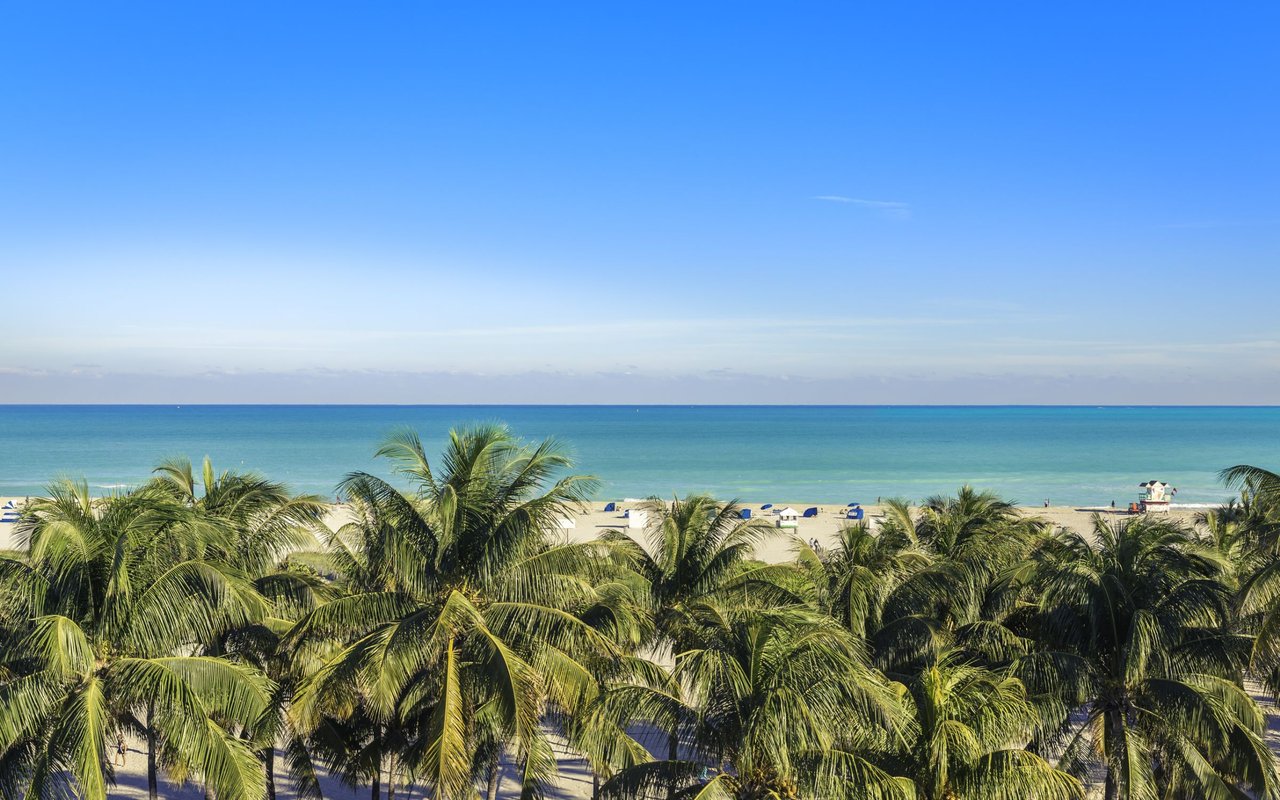
In Panama City Beach, the beach is not just a weekend plan. It can become part of your normal rhythm, whether that means morning walks, quick sunset visits, or meeting friends near the water after work. The city maintains beach access points 24 through 76B, with features that include bike racks, ADA-accessible access points, and parking at selected entries, which makes it easier to weave the shoreline into everyday life.
At City Beach and Dog Beach, you also have amenities that support longer, more casual outings. This area includes outdoor showers, benches, picnic tables, concessions, restaurants, and 11 volleyball courts. If you have a dog, Dog Beach west of Russell-Fields City Pier is one of the few pet-friendly sandy beach stretches in the area, with leash rules in place.
That kind of access matters when you are deciding how often you would actually use the beach if you lived here. In some coastal markets, beach access can feel limited or heavily tied to a specific community. In Panama City Beach, public access is a meaningful part of the lifestyle equation.
The daily routine goes beyond the sand. Frank Brown Park, Aaron Bessant Park, and Conservation Park give you a wider outdoor mix that can make year-round living feel more balanced. Frank Brown Park includes athletic fields, playgrounds, picnic pavilions, walking trails, and an aquatics center, while the city trail system connects Frank Brown Park, Aaron Bessant Park, and Conservation Park.
Conservation Park is especially important if you want nature access that feels different from the beachfront environment. The preserve spans about 2,900 acres and offers more than 24 miles of trails and boardwalks. It is open from dawn to dusk and free to use, which makes it easy to build hiking, walking, or biking into your weekly routine.
This matters for buyers who want a coastal address without feeling limited to beach-only recreation. Panama City Beach gives you several ways to be outside, which helps support full-time living rather than a vacation-only pattern.
When people think about errands, dining, and entertainment in Panama City Beach, Pier Park usually enters the conversation quickly. According to Visit Panama City Beach’s Pier Park overview, it is the area’s main retail and entertainment node, with 124 stores plus restaurants, a movie theater, laser tag, arcade games, the SkyWheel, and live music.
That concentration of activity can be helpful if you value convenience. You may not have to spread daily errands across a wide area, and it gives the city a more active commercial center than some beach markets. It also adds to the energy level nearby, especially during busy visitor periods.
Dining has a similar mix of convenience and lifestyle appeal. Visit PCB highlights seafood markets, waterfront restaurants, and a full calendar of food and drink events throughout the year. If you enjoy having options close by, this is a real strength of the area.
One of the most important things to understand about living in Panama City Beach is that the city has a very clear seasonal rhythm. The pace, traffic patterns, and noise level can shift depending on the time of year. That is true in many coastal markets, but Panama City Beach is especially known for it.
The city notes that spring break season begins in March, and the 2026 Spring Break High Impact Period runs from March 28 through April 11, 2026, with enhanced enforcement and special zones in the busiest areas. The city has also used temporary overnight beach closures during spring break periods. If you are considering a primary residence or second home, this is the kind of local context that should shape where you buy and what level of activity you are comfortable with.
The calendar stays active in other ways, too. Aaron Bessant Park events and seasonal programming include a Tuesday summer concert series, Fourth of July fireworks on the beach, and Beach Home for the Holidays in late November. So while spring draws the most attention, Panama City Beach remains event-driven across much of the year.
Climate is part of the lifestyle story, especially if you are moving from out of state. According to Florida Climate Center normals for Panama City, the annual mean temperature is 68.8°F, with January averaging 52.6°F and July averaging 82.6°F. Annual precipitation averages 61.1 inches, with wetter summer months.
In practical terms, that supports a lot of year-round outdoor use, especially compared with colder markets. Winters are generally mild, while summers are hot, humid, and wetter. If you picture an everyday routine with walks, beach time, and park use in most months of the year, the climate generally supports that.
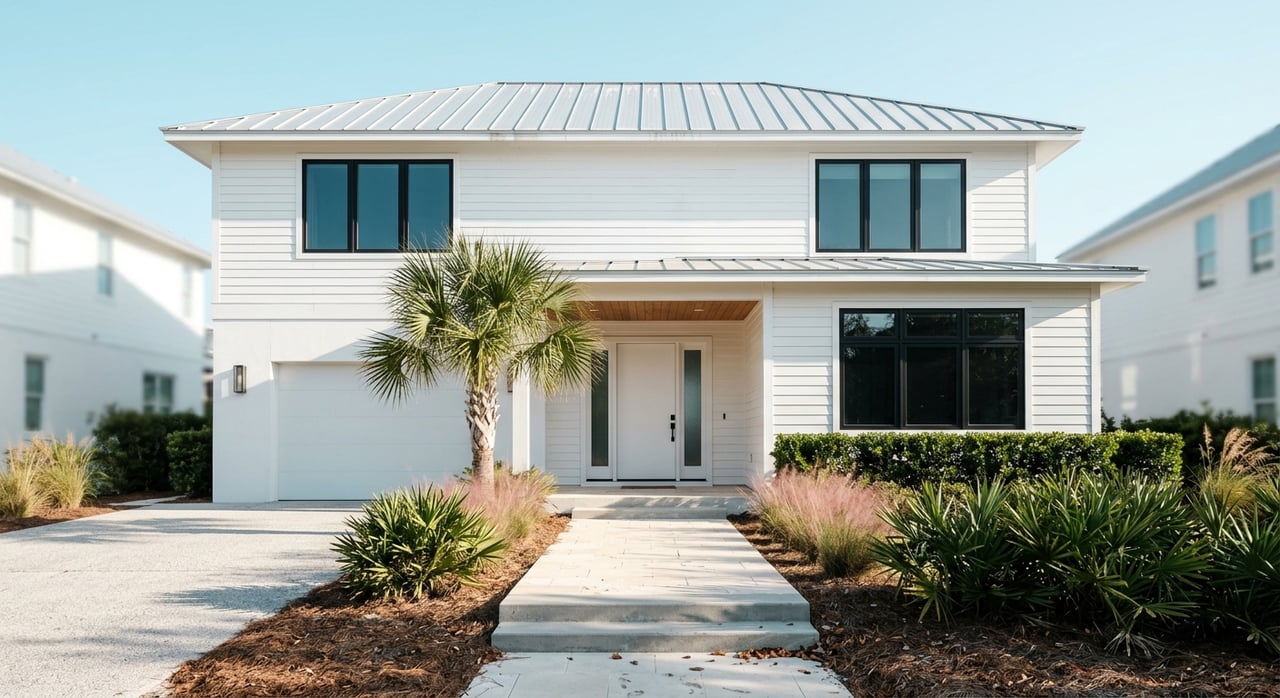
Panama City Beach offers a broader housing mix than many buyers expect. The city’s growth plan describes a blend of residential and commercial land uses, with condominiums, retail, amusements, and single-family development spread throughout the beach area. It also notes more recent development that includes retail, entertainment, recreation, townhouses, single-family housing, and a limited amount of high-rise condominium use.
In practical terms, you will likely see four common categories when you search here:
That range can be useful if you are trying to balance lifestyle goals with budget, maintenance level, or intended use. Some buyers want lock-and-leave convenience near the water, while others want more interior space and a less tourism-centered setting. Panama City Beach gives you multiple ways to approach that decision.
Housing numbers help ground expectations. The latest Census QuickFacts show a 59.2% owner-occupied housing rate, a median owner-occupied home value of $441,300, a median gross rent of $1,791, and a median household income of $80,941. These figures do not define every property type or price point, but they do provide a useful baseline as you evaluate the market.
For buyers, the bigger takeaway is that Panama City Beach includes both lifestyle-driven demand and a resort-area land-use pattern. That combination can make micro-location especially important. Two properties with similar square footage may live very differently depending on traffic flow, beach access, commercial intensity, and seasonal activity nearby.
Coastal living is easiest when you understand the local logistics up front. The city notes that its three public beach parking lots are priced at $2 per hour for up to 6 hours or $12 for 24 hours, and there is also free parking at Russell-Fields City Pier. The city’s Leave No Trace rules also prohibit tents or personal property left overnight, and pets are not allowed on the sandy beach except at Dog Beach.
Beach safety is another part of the local routine. The city staffs beach safety year-round, with five full-time beach rescue responders, and during peak season it places 2 to 4 responders on the east and west sides of Russell-Fields City Pier from April 1 through September 30. These details may seem small, but they shape what daily coastal use actually feels like.
In coastal Florida, storm planning is part of ordinary ownership, not just a once-a-year topic. Bay County evacuation guidance notes that Zone A is along the water and is typically the first zone considered for evacuation. The county also recommends that residents create an evacuation plan and sign up for AlertBay.
If you are considering a home in Panama City Beach, it is wise to treat storm-readiness as part of your buying process. That does not mean assuming worst-case outcomes. It means understanding location, access, and preparedness as part of informed coastal ownership.
Panama City Beach can be a strong fit if you want everyday access to the Gulf, a wider range of housing options, and a lifestyle that blends recreation with convenience. It can also work well if you are comfortable with a city that remains active, visitor-driven, and seasonal in certain areas. The right fit often comes down to how you want your day-to-day environment to feel, not just how close you want to be to the water.
If you are thinking about buying in Panama City Beach, the key is to look beyond listing photos and ask better location questions. How busy is this area in March, July, or holiday weeks? How easy is beach access from here? Does this property support your routine as a primary home, second home, or investment-minded purchase?
That is where local guidance becomes valuable. At Enslen Coastal Group, we help you evaluate coastal property with a calm, strategic approach so you can make a decision that fits both your lifestyle and the practical realities of the market.
Stay up to date on the latest real estate trends.
Get In Touch With Our Team To Learn More