Buying in Rosemary Beach: HOA Fees, Access, and Amenities
June 25, 2026
June 25, 2026
If you are thinking about buying in Rosemary Beach, the lifestyle can look simple at first glance: walk to the beach, stroll to dinner, and enjoy a polished coastal setting. In practice, though, Rosemary works more like a carefully planned town than a typical beach neighborhood, and that changes how you should evaluate a property. When you understand how the POA, beach access, amenity access, and ownership costs fit together, you can make a much more confident decision. Let’s dive in.
Rosemary Beach is a master-planned community with its own Declaration, Code, and design standards administered by the Property Owners Association. That structure helps preserve the town’s character, including its architecture, lot layout, alley parking patterns, and shared public spaces. For you as a buyer, that usually means more consistency, but it also means more rules and more detail to review before you make an offer.
This matters because not every property inside Rosemary Beach lives the same way day to day. A home or condo may be meaningfully closer to the beach, the Town Center, or the Owners Center than another property that appears similar on paper. In a walkable community, those small map differences can have a big impact on how often you actually use the amenities you are paying for.
In many beach markets, buyers start with square footage, bedroom count, and price. In Rosemary Beach, it often makes sense to start with placement first. You want to know whether the property sits south of 30A, north of 30A, or in a spot that changes how easily you move between home, beach walkovers, dining, and owner amenities.
That is especially important for second-home buyers who may only spend limited time here each year. If your goal is to park the car and walk nearly everywhere, a property’s exact position can shape your experience as much as the floor plan does. It can also affect how appealing the home feels to future guests or buyers.
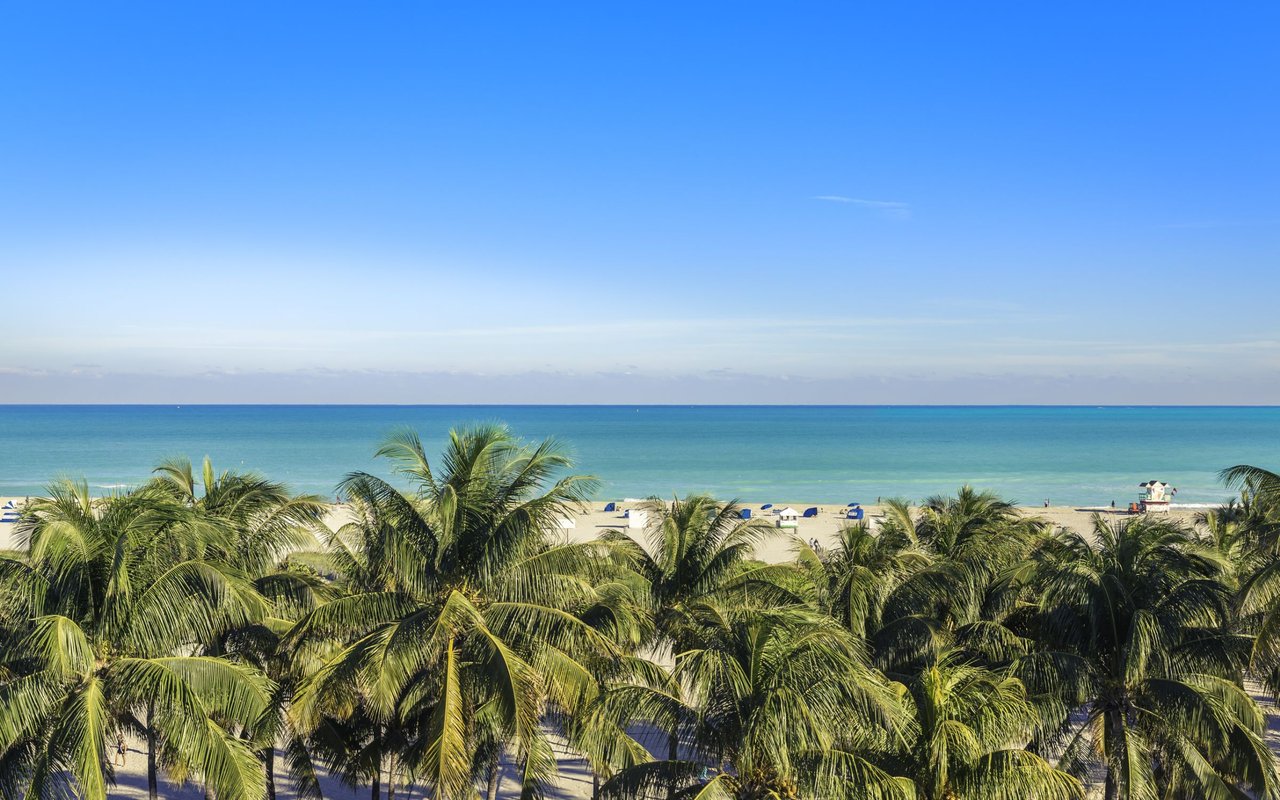
Rosemary Beach centers a walkable beachfront lifestyle, with a quarter-mile stretch of beach and nine walkovers noted by the community. That creates strong access within the town, but buyers should still ask how access works for the specific property they are considering. The answer may affect both your personal use and any rental plans.
Beach service in Rosemary Beach includes chairs, umbrellas, tables, watercraft rentals, sunset setups, bonfires, and coolers for homeowners and guests. If you plan to rent the property, guest access deserves extra attention. The community notes that rental guests receive the access code from the owner or vacation rental company, so you will want a clear understanding of how that handoff is handled.
One of Rosemary Beach’s biggest draws is how much is packed into a relatively compact footprint. The community lists four pools: Barbados, Sky, Cabana, and Coquina. There is also a 2.3-mile fitness trail with four fitness stations, an on-site fitness center at 9 East Water Street, and a racquet club with eight Har-Tru courts.
The Owners Club adds another layer for owners, including a heated pool and bocce court. For many buyers, that density of amenities is a major part of the value story. It supports the kind of turnkey second-home lifestyle that makes short stays feel easy and full-length vacations feel convenient.
Rosemary Beach is not just about sand and pools. Its Town Center includes restaurants, coffee shops, boutiques, lodging, spa services, real estate services, and event space. If you want a property where you can walk to a morning coffee, dinner, or an errand without driving, that village core becomes a real quality-of-life advantage.
The Rosemary Beach Foundation also supports events, cultural programs, and educational projects throughout the year. For buyers, that can add another layer to the ownership experience by creating regular activity beyond peak beach hours. It helps explain why some buyers prioritize being closer to the center of town, even if they are not directly closest to the beach.
Rosemary Beach is not a one-fee-fits-all market. Public listings in the area show wide variation in monthly HOA costs depending on the property type and service bundle. Current examples in the research range from $531 per month for a single-family home at 107 Wiggle Ln. to $1,292 per month for a condo at 9961 E County Highway 30A Unit 202, and $3,087 per month for a south-of-30A condo at 82 S Barrett Sq. Unit 3E.
That spread tells you something important: a higher HOA number does not automatically mean a worse deal. In some cases, higher dues may reflect broader coverage. The 9961 E County Highway 30A listing, for example, states that the HOA package includes grounds maintenance, insurance, sewer, cable TV, trash, water, and internet.
Monthly dues are only the starting point. You also need to know what those dues actually cover, whether any special assessments exist, and whether capital projects may affect future costs. In a coastal community with layered amenities, details matter.
You should also verify whether there are parking, rental, guest-access, or amenity-use restrictions tied to the specific building, block, or lot type. Two properties inside the same broader community can come with very different practical rules. That is why document review matters as much as the listing photos.
A strong due-diligence checklist includes:
One detail that surprises many out-of-area buyers is that mailing labels and MLS presentation are not always consistent in this part of 30A. Some properties that functionally sit within the Rosemary Beach community may appear with an Inlet Beach mailing address. If you rely only on the mailing city, you may misunderstand what community rules or amenity structure actually apply.
That is why the subdivision, POA documents, and actual community boundaries matter more than the address line alone. If you are comparing properties near the edge of Rosemary, this is worth confirming early. It can affect both your ownership experience and your underwriting.
Rosemary Beach often appeals to buyers who want a walkable coastal base with a built-in town center and a strong amenity package. Compared with some other 30A options, it offers an unusually concentrated mix of beach access, pools, fitness, racquet facilities, and village convenience. That combination can be very attractive if you value ease and activity over a simpler, lower-rule neighborhood setup.
The tradeoff is that Rosemary Beach usually comes with more moving parts. You should expect more structure, more documents to review, and a wider range of ownership costs than you may see in a less layered beach neighborhood. For many buyers that is well worth it, but it is best understood upfront.
Rosemary Beach tends to make the most sense if you want a polished, walkable second-home experience and you expect to use the amenities regularly. It can also be a strong fit if you value being able to walk to dining, coffee, and community activity rather than driving for every outing. For buyers who are balancing lifestyle and long-term value, that convenience can be a meaningful part of the purchase decision.
It may require more diligence if you prefer a simpler ownership structure or if you are comparing properties primarily by headline HOA cost alone. In Rosemary, the smart approach is to look at the full picture: location within the town, amenity access, service coverage, and the rules that shape everyday use. That is where clarity leads to better decisions.
If you are weighing Rosemary Beach against other 30A options, a precise, property-by-property review can save you time and help you avoid surprises. The team at Enslen Coastal Group helps buyers make sense of complex coastal submarkets with local insight, calm guidance, and valuation-focused strategy.
Stay up to date on the latest real estate trends.


Get In Touch With Our Team To Learn More