Evaluating Sandestin Condos For Hybrid Personal Use
July 2, 2026
July 2, 2026
Are you thinking about buying a Sandestin condo that you can enjoy part of the year and rent out the rest? That can be a smart move, but only if the condo truly fits how you plan to use it. In Sandestin, the resort name tells you less than many buyers expect, so this guide will help you look past the headline and evaluate the building, rules, costs, and long-term risks that matter most. Let’s dive in.
Sandestin is a 2,400-acre resort community in Miramar Beach with 30 neighborhood clusters, more than seven miles of beach and bayfront property, four golf courses, 15 tennis courts, 19 pools, a 123-slip marina, and a resort tram. For a buyer, that scale is both a benefit and a challenge. You get a wide range of settings and amenities, but two condos in the same resort can offer very different daily experiences.
The tram system is a good example. Sandestin says the complimentary tram runs on two continuous loops and departs each stop about every 30 minutes. If you expect to split time between beach days, dining, Baytowne, and marina access, a building’s location near a tram stop can shape how convenient the condo feels in real life.
Before you compare floor plans or views, define how you will actually live in the property. A hybrid-use condo should support your personal routine first, then your rental goals second. If those two priorities fight each other, the condo often becomes harder to enjoy and harder to hold long term.
Ask yourself a few simple questions:
Those answers can quickly narrow which part of Sandestin deserves your attention.
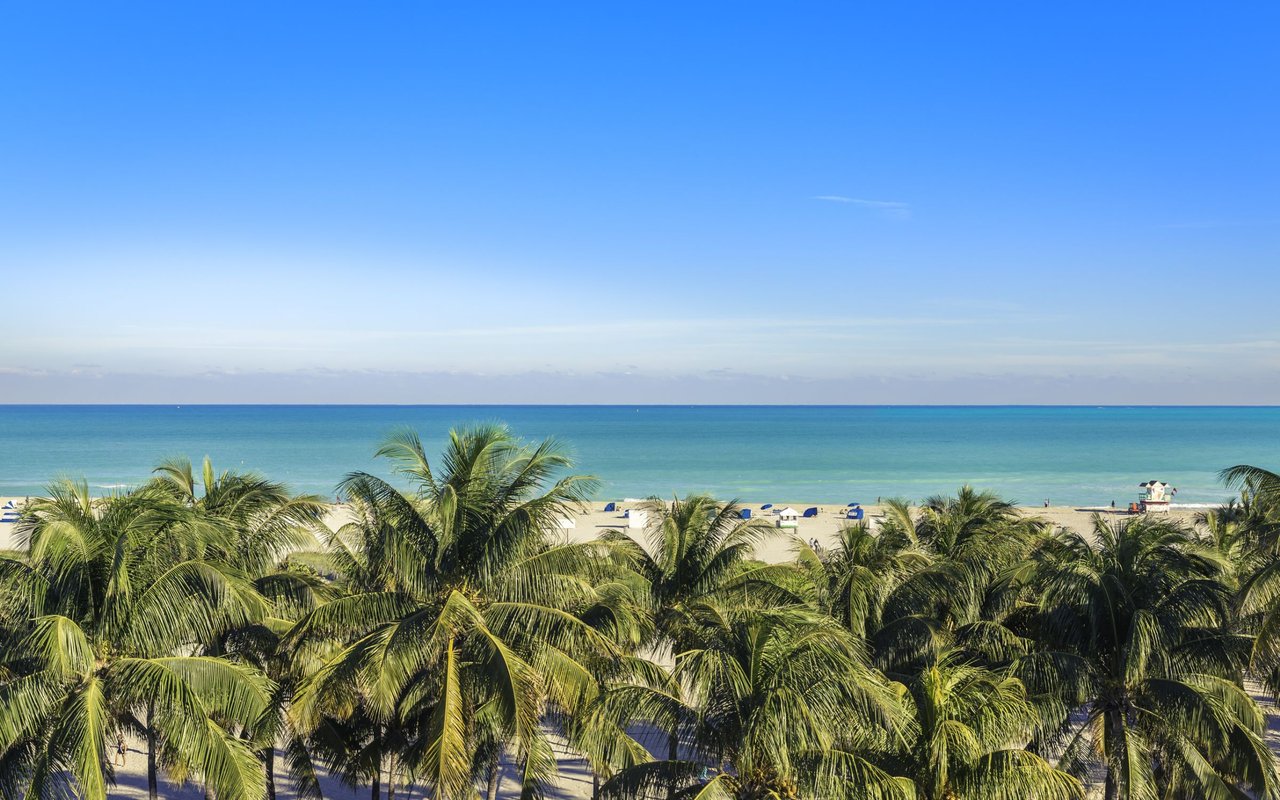
Beachfront towers like Beachside I, Beachside II, and Westwinds offer direct Gulf access, wide views, and beachfront pools. In this category, Sandestin notes one- to four-bedroom floor plans, while Beachside Tower 1 offers one- to three-bedroom options. Beachside is on the south side of Highway 98 and within walking distance to the beach.
For many hybrid buyers, this is the clearest personal-use choice. If your goal is easy beach access and the kind of arrival experience that feels unmistakably coastal, these buildings are often the easiest to understand and the easiest to explain later to future buyers or guests.
The Village and Grand Complex sit closer to Baytowne Wharf, the marina, the Tennis Center, and Jolee Island. Sandestin describes the beach here as a tram ride away. This area includes Observation Point North and South, Market Street Inn, Pilot House, Grand Sandestin, Lasata, Bahia, and Elation.
If you expect to use the condo during event weekends or enjoy being close to dining and activity, this area can make a lot of sense. The value here is less about direct beach frontage and more about walkability, energy, and access to Baytowne-centered activity.
Lakeside and Bayside offer a different pace. Sandestin describes Lakeside as a mix of cottages, condos, and townhomes under mature shade trees near lakes and the Baytowne and Raven courses. Bayside is described as the resort’s historic district with 13 neighborhoods and a mix of studios, villas, and townhomes near bayside dining, the fitness club, Baytowne Wharf, and the marina.
For a hybrid-use buyer, these areas can be appealing if you want a quieter stay, more space, or a different price-to-amenity balance than direct beachfront product. The tradeoff is obvious: you give up immediate beach frontage in exchange for a different lifestyle mix.
One of the biggest mistakes buyers make in Sandestin is assuming the resort brand creates a uniform ownership experience. It does not. Sandestin states that units are individually owned, and interiors can vary in design and furnishings.
That means your decision should be building-specific. The floor plan, the dues structure, the operating rules, and the level of upkeep inside the building matter just as much as the broader resort setting.
Sandestin notes that utilities are the owner’s responsibility unless they are included in HOA dues. It also states that basic cable is provided through Sandestin Owner Association dues, while Wi-Fi may require a separate account. Those details may sound small at first, but they affect your actual monthly carry.
For a hybrid buyer, the right approach is to avoid resort-wide assumptions. Review each building’s budget, dues, and what is actually included so you can compare true ownership cost, not just asking price.
Sandestin-managed rentals advertise access to four pools, bicycle rentals, a fitness center, kayak and boogie board rentals, resort transportation, and tennis court time. The rental-management FAQ also notes discounts at managed outlets, preferred beach parking, preferred golf cart parking, transportation access, preferred front-row beach seating, and 24/7 on-site emergency coverage.
There are also separate owner membership options. Sandestin’s Elite Membership is exclusive to property owners and provides access to the Beach Club, Burnt Pine, the Golf Club, the Tennis Club, and the Fitness Club. For a part-time owner, this can materially shape both your own experience and the guest experience when the unit is rented.
Do not rely on general impressions when rental use is part of the plan. Review the condo declaration, association rules, and any current operating policies. In Sandestin, those building-level documents can matter as much as the location itself.
Pay close attention to:
Hybrid-use buyers should treat compliance as part of the purchase decision, not something to sort out after closing. In Florida, a vacation rental can include a condo unit that is also considered a transient public lodging establishment. The Florida DBPR states that if an entire unit is rented more than three times in a calendar year for periods of less than 30 days, or is advertised as regularly rented for less than 30 days, a lodging license is required.
Walton County also says short-term vacation rentals require annual registration. Its ordinance framework calls for a locally available responsible party and other compliance steps. If your plan includes short stays, these steps should be part of your upfront underwriting.
The Walton County Clerk states that South Walton rentals south of Choctawhatchee Bay are subject to a 5% Tourist Development Tax on rent and required fees. The Florida Department of Revenue also explains that counties may impose local option transient rental taxes on accommodations such as condos rented for six months or less.
In practical terms, your rental math should include more than mortgage, dues, and cleaning. You also need to account for licensing, county registration, tax collection, and any resort-management or housekeeping costs. A hybrid-use condo often operates more like a small business than a simple second home.
Florida law gives important context here. State law says that an amendment prohibiting owners from renting their units, changing rental duration, or limiting the number of rentals in a period applies only to owners who consented to the amendment and owners who acquire title after the amendment’s effective date.
That does not mean rules can never change. It does mean you should not assume every future board can reshape rental economics overnight for every owner in the same way. The recorded documents and the timing of any amendment matter.
For many Florida condo buyers, the most important questions now involve inspections, reserves, and future assessments. This is especially true in taller buildings. A beautiful Gulf view does not offset weak reserve planning.
Florida’s milestone-inspection law requires buildings that are three habitable stories or higher to have a milestone inspection by the year the building turns 30 and every 10 years after that, with a possible earlier 25-year trigger in salt-water-proximate areas. Florida’s structural-integrity reserve-study law also requires a study at least every 10 years for qualifying residential condominium buildings three habitable stories or higher.
That reserve study covers items such as:
For you as a buyer, this is not just paperwork. Reserve quality affects future cash needs, special assessment risk, and resale confidence.
The best Sandestin condo is rarely the one with the broadest marketing appeal alone. It is the one that aligns with how you will use it, what rules you can live with, and what ownership costs you can support comfortably. In a resort this large and fragmented, that match matters more than the name on the gate.
If direct beach time is your priority, beachfront towers deserve the closest look. If you care more about Baytowne access, dining, events, and marina convenience, the Village and Grand Complex may fit better. If you want a lower-key setting, more room, or a different value profile, Lakeside and Bayside can be worth serious attention.
When you evaluate Sandestin for hybrid personal use, try to make the decision in layers instead of all at once. Start with location fit inside the resort. Then review building rules, ownership costs, amenity access, compliance requirements, and reserve strength.
That process may feel slower, but it usually leads to a more confident decision. In a market like Sandestin, the most defensible purchase is the one where lifestyle, rental rules, and long-term capital planning all support your intended use.
If you want a calm, valuation-driven perspective as you compare Sandestin options, Enslen Coastal Group can help you evaluate the details that matter before you commit.
Stay up to date on the latest real estate trends.
Get In Touch With Our Team To Learn More