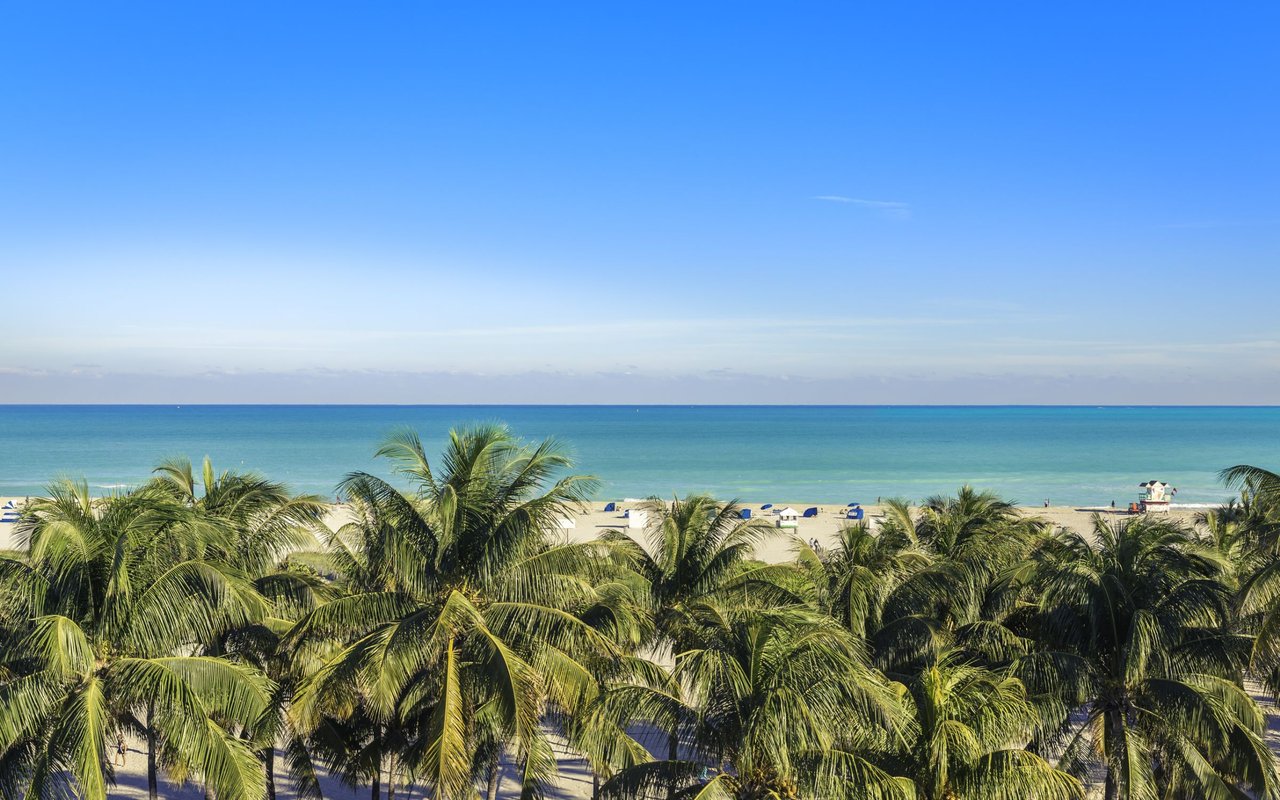
Buying or selling along Florida's Emerald Coast raises questions that don't come up in most markets — flood zones, rental restrictions, HOA structures, and beach access rules all shape what a property is worth and how it lives. Below are the 50 questions the Enslen Coastal Group team answers most often for buyers, sellers, and investors across Santa Rosa Beach, 30A, Destin, Miramar Beach, Inlet Beach, and Panama City Beach.
Enslen Coastal Group is a luxury real estate team based in Santa Rosa Beach, Florida, serving the Emerald Coast. The team is led by broker Robert Enslen and agent Heather Enslen, alongside agents Anderson Enslen and Josh Koldyke. The group focuses on coastal homes and condos marketed with strategic pricing, professional presentation, and deep local market knowledge.
Reach Heather Enslen at (334) 220-2505 or Robert Enslen at (334) 221-0448. You can also use the contact form at enslencoastal.com or request a home valuation directly through the site. The team responds to calls, texts, and emails, typically the same business day.
Yes. A large share of Emerald Coast buyers are purchasing from out of state, often sight-unseen or after a single trip. The team supports remote buyers with video walkthroughs, live FaceTime showings, neighborhood comparisons, and coordination with local lenders, inspectors, and closing attorneys so the process works from anywhere.
Coastal properties sell on lifestyle, light, and location details that a general-market approach misses. Enslen Coastal Group prepares listings with professional photography, targeted pricing analysis based on hyper-local comparable sales, and marketing aimed at second-home and investor audiences who search from outside Florida.
Get pre-approved or verify proof of funds, tour properties with a local agent, submit an offer with an earnest money deposit, complete inspections during the due diligence period, secure financing and insurance, then close with a title company or closing attorney. Most Emerald Coast transactions close within 30 to 45 days.
Plan for closing costs, prepaid insurance and taxes, and ongoing carrying costs. On the Emerald Coast, homeowners insurance, wind coverage, flood insurance, HOA or condo dues, and property taxes on a non-homesteaded second home add up quickly. Because a second home does not qualify for Florida's homestead exemption, the tax bill typically resets near the purchase price after closing.
Request a full carrying-cost estimate for any property you are considering.
Yes, and it costs you nothing extra in most cases. Builder sales representatives work for the builder. A buyer's agent reviews the builder contract, tracks construction milestones, advises on upgrade value at resale, and negotiates terms that a walk-in buyer typically won't get.
A second home loan generally requires the buyer to occupy the property part of the year and not rent it out full time, and it carries lower rates and down payments. An investment property loan allows rental income but usually requires a larger down payment and higher rate. Rental plans should be disclosed to your lender upfront.
Yes. Conventional financing is common for single-family homes on the Emerald Coast. Condos are more complicated — lenders review the association's budget, reserves, insurance, litigation status, and rental percentage. Some condo buildings are non-warrantable and require a portfolio loan or cash.
A non-warrantable condo is a building that does not meet Fannie Mae or Freddie Mac lending standards, often due to high investor ownership, heavy short-term rental use, inadequate reserves, ongoing litigation, or commercial space. Many beachfront condo buildings fall into this category, which limits financing options and affects resale.
Cash purchases can close in two to three weeks. Financed purchases typically take 30 to 45 days, and condo purchases can run longer when lenders request association documents. Insurance binding is often the bottleneck, so start insurance quotes during your inspection period.
At minimum, a general home inspection, a wind mitigation inspection, and a four-point inspection if the home is older. Coastal-specific additions include stucco and moisture intrusion testing, elevation certificate review, HVAC and corrosion inspection, and a survey. For condos, review the association's reserve study and inspection reports.
An elevation certificate documents a building's lowest floor elevation relative to the base flood elevation for its flood zone. It is used to determine flood insurance premiums. On the Emerald Coast, a favorable elevation certificate can dramatically reduce annual flood insurance costs, so ask whether the seller has one before you close.
Beachfront homes command the highest prices, strongest rental rates, and the highest insurance and maintenance costs. Near-beach homes a few blocks back often deliver a better price per square foot, lower carrying costs, and comparable rental performance if they have deeded beach access or a community pool.
Deeded beach access is a legally recorded right for a specific property or neighborhood to reach a section of beach. It is more secure than a public access point that may be crowded or distant. Access type, walking distance, and whether the beach is public or private materially affect value on 30A.
Beach ownership south of the mean high water line is public in Florida, but the dry sand above it can be privately owned in Walton County. Customary use rules have been litigated repeatedly. Confirm the beach status for any specific property before you buy — it varies parcel by parcel.
Yes. There are no citizenship or residency requirements to own Florida real estate. Foreign buyers should plan for tax withholding on future sale under FIRPTA, obtain an ITIN if needed, and consult a cross-border tax advisor. Financing is available but usually requires a larger down payment.
30A is Scenic Highway 30A, a roughly 18-mile coastal road through South Walton County connecting a string of distinct beach communities including Dune Allen, Blue Mountain Beach, Grayton Beach, Watercolor, Seaside, Seagrove, Alys Beach, Rosemary Beach, and Inlet Beach. Each has its own architecture, price band, and rental character.
Santa Rosa Beach is the largest community in South Walton and covers a wide area both on and north of 30A. It offers the widest range of price points on the Emerald Coast, from bay-side and inland homes to Gulf-front estates, plus quick access to Grayton Beach, Blue Mountain Beach, and the Point Washington State Forest trails.
Seaside is a planned New Urbanist town built around a central square, with pastel cottages, a walkable town center, and a rigorous architectural code. Residents walk or bike nearly everywhere. Inventory is limited and prices are premium, reflecting scarcity, brand recognition, and consistently strong short-term rental demand.
Rosemary Beach appeals to buyers who want a walkable, design-controlled community with a strong rental market. Expect an active HOA with detailed architectural and rental rules, town center amenities, and price points at the top of the 30A market. Review the HOA documents carefully before writing an offer.
Inlet Beach sits at the eastern end of 30A, bordering Panama City Beach. It has grown quickly, adding new construction, retail at 30Avenue, and a broader mix of price points than its western 30A neighbors. Buyers often choose it for relative value and access to both 30A and Panama City Beach amenities.
Miramar Beach offers condo and resort-style living with access to Sandestin, Grand Boulevard, and the outlets, generally at a lower price per square foot than 30A. Destin adds a large harbor, deep-sea fishing, and its own condo market. Both are strong short-term rental markets with fewer architectural restrictions than 30A.
Sandestin is a large master-planned resort in Miramar Beach with golf courses, a marina, tennis, the Village of Baytowne Wharf, and multiple neighborhoods of homes and condos. Owners pay resort fees in addition to neighborhood HOA dues. It is popular with buyers who want amenities and turnkey rental management.
Panama City Beach typically offers a lower entry price and strong rental volume, with a higher-density, higher-traffic feel than 30A. Buyers focused on cash-on-cash return often find it attractive. Buyers focused on long-term appreciation and lifestyle scarcity usually favor South Walton.
Watersound Origins is one of the most popular family choices, because its rental restrictions keep it largely owner-occupied year-round, and it offers a community center, pools, the Origins golf course, and trails to the bay. Families also look at Santa Rosa Beach north of 30A, Watercolor, and parts of Miramar Beach. Neighborhoods with a high percentage of vacation rentals feel very different than owner-occupied streets.
Gulf-front and Gulf-view properties, walkable town centers like Seaside and Rosemary Beach, and large-bedroom-count homes with private pools tend to produce the highest gross rental revenue. Net return depends on HOA dues, insurance, management fees, and how many prime weeks the owner blocks for personal use.
Request a valuation from an agent who works your specific submarket. Automated estimates struggle on the Emerald Coast because Gulf views, beach access distance, rental income, and HOA structure vary block to block. A proper comparative market analysis weighs closed sales within your immediate submarket, adjusts for view corridor and beach proximity, and accounts for whether comparable homes conveyed furnished or with rental bookings in place.
Listing inventory and buyer traffic generally build ahead of spring and early summer, when second-home buyers are already visiting the area. That said, rental-heavy properties can be difficult to show during peak season. The right timing depends on whether your home is a primary residence, second home, or active rental.
Days on market vary widely by price band, property type, and season. Correctly priced homes in the middle of the market typically move faster than Gulf-front listings, which have a smaller buyer pool. Days on market also stretch when a property can only be shown between rental turnovers, which is common for actively booked vacation homes during peak season.
Address deferred maintenance that inspections will catch, refresh exterior paint and landscaping, deep clean, declutter, and stage to emphasize light and outdoor living. Gather your elevation certificate, wind mitigation report, HOA documents, and rental income history — buyers and lenders will ask for all of them.
Many Emerald Coast homes and condos sell furnished, especially rental-ready properties. A turnkey furnished sale broadens the buyer pool for second-home and investor buyers. The furniture should be listed on a separate bill of sale rather than folded into the real property value.
Yes. Documented gross rental revenue, occupancy rates, and forward bookings give investor buyers a concrete underwriting basis and can support a higher price. Provide two to three years of statements when available, along with a clear list of what conveys with the property.
Sellers typically pay brokerage commission, documentary stamp tax on the deed, title and closing fees per local custom, prorated property taxes and HOA dues, and any negotiated repairs or concessions. Costs vary by county and by contract. Ask for a net sheet before you accept an offer.
That depends on your rental performance, upcoming special assessments, insurance trajectory, and how the building's reserves are funded. A condo facing a large structural assessment often sells better before the assessment is levied than after. Run the numbers on both paths before deciding.
It depends on the specific property. Walton County regulates vacation rentals with registration and life-safety requirements, and individual HOAs or condo associations may impose minimum stay lengths or prohibit rentals outright. Never assume a property can be rented nightly — verify with the association and county before closing.
There is no single answer. Some 30A communities allow nightly rentals, others require seven-day or 30-day minimums, and some prohibit short-term rentals entirely. Restrictions come from HOA covenants, not just county rules. Confirm the recorded restrictions for the exact address you are considering.
Yes. Short-term rentals in Florida generally require a Department of Business and Professional Regulation vacation rental license, a state sales tax account, and a county tourist development tax account. Walton County also requires vacation rental registration. Requirements change, so verify current rules before you list.
The tourist development tax, sometimes called a bed tax, is a county-level tax on short-term lodging stays, collected from guests and remitted by the owner or manager. It is charged in addition to Florida sales tax. Rates are set by county and can change, so confirm the current rate with Walton, Okaloosa, or Bay County.
Management companies typically charge a percentage of gross rental revenue and handle marketing, guest communication, cleaning, and maintenance. Self-managing preserves that margin, and it can also carry a significant tax advantage: owners who materially participate in a short-term rental with an average guest stay of seven days or less may be able to treat losses, including accelerated depreciation, as non-passive and offset other income. Handing the property to a manager makes material participation much harder to establish. The trade-off is time, local vendors, and constant availability. Discuss your situation with a CPA before choosing, because the rules are fact-specific and documentation matters.
Returns vary too widely to quote a single number. Gross revenue is driven by bedroom count, private pool, beach proximity, and view. Net return is driven by insurance, HOA dues, management fees, taxes, and how many peak weeks you keep for yourself. Two identical floor plans on the same street can perform very differently depending on whether one has a private pool and the other does not.
Ask us for rental projections based on comparable properties
Every week you block during summer or spring break removes the highest-revenue nights of the year. A property that pencils well on paper can underperform badly if the owner reserves July for family. Model your actual usage before you underwrite the purchase.
They can be, particularly Gulf-front buildings with strong rental programs. The key risks are special assessments, rising association insurance, reserve funding, and financing limits on non-warrantable buildings. Review the association's budget, reserve study, insurance policy, and assessment history before you commit.
A 1031 exchange lets an investor defer capital gains tax by reinvesting proceeds from an investment property into another like-kind investment property within strict deadlines. It applies to investment property, not a personal second home. Emerald Coast investors use it regularly, but the rules are unforgiving — engage a qualified intermediary early.
If the property is in a FEMA special flood hazard area and you have a federally backed mortgage, flood insurance is required. Even outside those zones, many Emerald Coast owners carry it voluntarily. Standard homeowners policies do not cover flood damage. Check the flood zone and elevation certificate for each property.
Coastal Florida carries elevated hurricane and wind risk, which drives premiums, deductibles, and reinsurance costs. Wind coverage is sometimes separated from the main policy. A recent roof, impact-rated windows, and a favorable wind mitigation report can meaningfully lower your premium. Quote insurance before your inspection period ends.
Florida property taxes are assessed by county at millage rates set annually. A Florida homestead exemption reduces the taxable value of a primary residence and caps annual assessment increases, but second homes and rentals do not qualify. Expect your tax bill to reset near the purchase price after a sale.
Fees range widely — from modest annual dues in a simple subdivision to substantial monthly assessments in a Gulf-front condo with elevators, pools, and full insurance coverage. Compare what the fee includes and how the reserves are funded. A low fee with underfunded reserves usually means a future special assessment.
A special assessment is a one-time charge levied by an association to cover a cost the budget cannot absorb, such as roof replacement, structural repairs, or an insurance shortfall. Review board minutes, the reserve study, and any structural integrity reserve study before closing. These documents usually signal an assessment well in advance.
Every property on the Emerald Coast is different — flood zone, beach access, rental restrictions, and association health can vary from one street to the next. Call Heather at (334) 220-2505 or Robert at (334) 221-0448, or send us a message and we'll answer your specific question about your specific address.
Information provided is general in nature and deemed reliable but not guaranteed. Tax, insurance, and rental regulations change. Consult qualified legal, tax, and insurance professionals for advice on your situation.
At Enslen Coastal Group, we specialize in showcasing coastal homes with intention, strategy, and refined presentation.
Based in Santa Rosa Beach, Florida, our team combines local market expertise with elevated marketing to help sellers stand out and buyers move with confidence.